Wednesday, June 30, 2010

Tarte aux Pommes, or How Pastry Wore Me Out


I left the apartment at 8 this morning, and came home at 9:30 at night. Baking is definitely no joke. Who thought three-hour baking lectures could be so draining? But I kid you not, by the third class of the day at 6:30 PM, I was falling asleep in my seat. Of course, it didn't help that I was running on near-starvation all day long. Breakfast consisted of three different types of apple tarts, and dinner was two different types of pound cake, and a quarter of an exquisite madeleine cookie (and no, sampling bits of pastry does not make you full).

The first demonstration of the day was all about pâte brisée, or butter shortcrust. For some reason they were all about apple tarts too - there was the classic French Tarte aux Pommes, a meltingly tender Tarte Tatin, and a rich Tarte Normande (apple custard tart).

 
From top to bottom: two Tarte Normande on the left, two Tarte Tatin on the right, three Tarte aux Pommes below.

The emphasis of the class was definitely on fitting the dough into the tart ring. Again, the meticulousness of the pastry profession definitely showed itself. After draping the dough over the tart ring and tucking it tight into the corners, we had to

1) Pinch in the dough along the upper edge of the ring
2) Roll the rolling pin over the tart to cut off excess dough
3) Push up the overhanging dough along the inner upper edge of the ring
4) Crimp the edges with a crimping tool
 
To show us what the border should look like, the chef demonstrated the crimping tool on a dough snake:

Tuesday, June 29, 2010

First Day of Class - Shortbreads


I had my first day of real classes today! There were two demonstrations followed by a practical. The first demonstration covered basic things like pralines, fondant, and coffee extract. Other than having to sit in a stifling room in our uniforms, the demonstrations are pretty cool. It's pretty much like lecture in university, except the room smells like butter and sugar (note to professors: you too can have three hour lectures if you keep the room smelling like baked goods).

Clockwise from the top: fondant, coffee extract, raw almond paste, apricot glaze, praline.

The recipes covered in the first class were pretty basic, but the chef had useful tips, like always adding sugar to pectin before dissolving it in water, to help it mix better. The most thrilling part of the demonstration was when chef Tranchant tested sugar temperature by dipping his fingers into a pot of boiling sugar and dropping the resulting pinch into a bowl of water for the softball test. I guess candy thermometers are for wimps.

The second demonstration covered a variety of sablés, or sandy French butter cookies. They're called sablés for their crumbly texture. The smell of butter quickly pervaded the room as soon as the first batch of cookies went into the oven. I wonder if long-term contact with butter aromas can make you fat?

Clockwise from the top: Sablés nantais, chocolate shortbreads, diamonds, Brittany shortbread, glasses.

Monday, June 28, 2010

Le Cordon Bleu Orientation + Macarons


I started my day running down the streets of Paris as if my life depended on it.

Instead of waking up early and leisurely making my way to the school - maybe stopping for a croissant au beurre on the way - I found myself starring in disbelief at a watch that clearly showed I should have been at the school half an hour ago. Lateness is punishable by expulsion from Le Cordon Bleu (you get kicked out if you are late more than five times), and I was certainly not off to a good start.

Thankfully, I was not immediately expelled. Instead I joined the rest of my classmates in a lecture room as the administrators covered school rules and schedules. The intensive program turned out be indeed quite intensive, with 6-9 hours days being the norm (I only have 3 hours of class on Saturdays, thank god). Sitting in the lecture hall with everyone else, I felt like I was in some sort of anti-Caltech/Microsoft universe. Out of 52 students, there were only a handful of men...the rest of the crowd consisted of attractive, slim women. I wonder why there aren't more men in the program?

The downside to having a majority of women in the class is that locker space becomes an issue. In fact, they positively ran out of locker space and I had to haul all my equipment and uniforms back to the apartment. And let me tell you, a solid set of Wüsthof knives gets pretty heavy after a while...

Sunday, June 27, 2010

First Meal in Paris


In My Life in France, Julia Child describes her first meal in France as a sort of sensual awakening. The food was "absolute perfection", with oysters, sole meunier, and fromage blanc. The experience kindled her love for food and inspired her to pursue a career in cooking.

For those of you expecting a raving review of a Michelin-star restaurant, sorry, I'm not Julia Child. Heck, it's not even my first meal in France. Severely sleep-deprived and starving, I went shopping at the corner grocery store and came back with cheese, paté, and a baguette from the bakery down the street.


I wouldn't call the food life-changing, but it was good. Especially when I ate it in the comfort of my own kitchen. 


I still haven't decided whether I'll brave my tiny, antiquated, gas-mark standard oven. Apparently, none of the tenants ever used it. Here's to hoping that the next Daring Bakers' Challenge doesn't involve any real baking : )

Tomorrow, I start my basic pastry certification at Le Cordon Bleu. During the next four weeks, I'll also be wandering the streets of Paris, documenting pastries from the best pâstisseries. It'll be an (sugar-filled, highly caloric) adventure.

June 2010 Daring Bakers' Challenge: Chocolate Pavlovas with Chocolate Mascarpone Mousse


The June 2010 Daring Bakers’ challenge was hosted by Dawn of Doable and Delicious. Dawn challenged the Daring Bakers’ to make Chocolate Pavlovas and Chocolate Mascarpone Mousse. The challenge recipe is based on a recipe from the book Chocolate Epiphany by Francois Payard

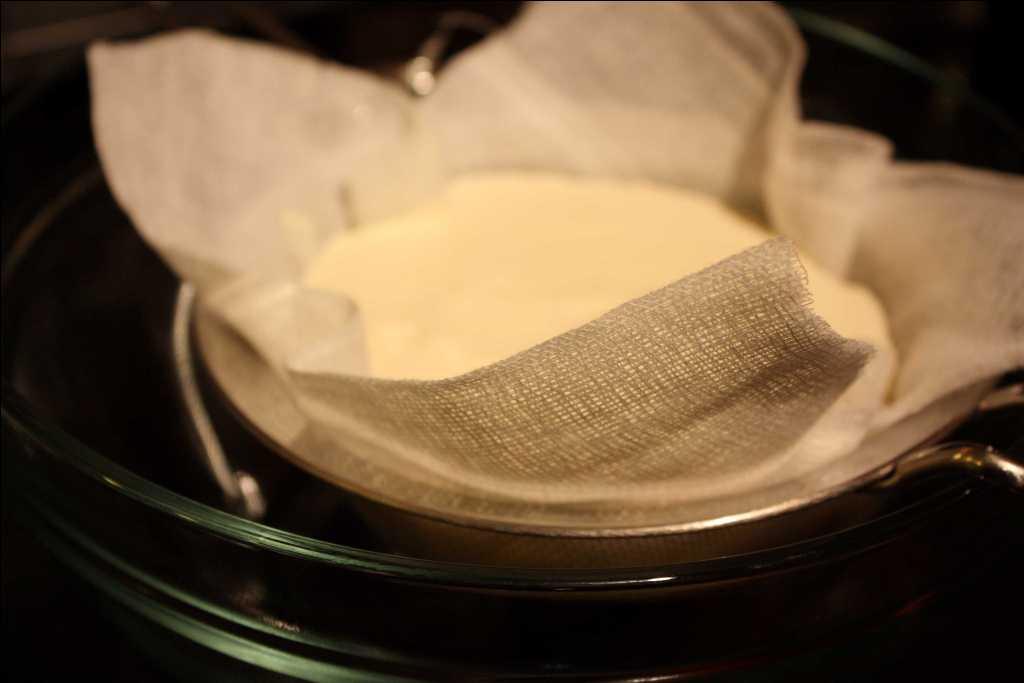
The recipe consists of three parts: the chocolate meringue base, the chocolate mascarpone mousse, and the mascarpone cream. In addition, I chose the option of making my own mascarpone cheese (sounds scarier than it actually is).


I was very skeptical of the recipe at first. I didn't know if the meringue would hold up against the rich chocolate mousse, and the mascarpone cream seemed a little excessive. As it turns out, the components work very well together! The mousse is light enough to not completely overwhelm the delicate meringue shell, and the rich custard cream rounds out the sharpness and acidity from the dark chocolate and Grand Marnier in the mousse.


Sunday, June 20, 2010

Fresh Strawberry and Orange-Flower Water Marshmallows


First of all, I know I haven't updated this blog in a while. I spent a week in New Orleans earlier this month, and I've been busy with work and with Paris preparations (I leave in less than a week!). New Orleans is a fantastic food city, with so much warmth and vibrancy and culture. Coming back to the chilly Northwest - figurative and literally speaking - took some getting used to. I'll have to write a full post on it later, but here's a few pictures.


Back to the subject of this post, I figured it was due time for another post from Paris Sweets. I had some aromatic strawberries from the farm market on hand, and I finally found some orange flower water from DeLaurenti near Pike Place Market. The combination of strawberries with orange flower water seems straight out of Arabian Nights, a fitting flavor for whimsical pink puffs of candy.

I'm no stranger to homemade marshmallows, thanks to a good friend back in Scotland who used to make homemade marshmallows all the time. Passion fruit and green tea were some of my favorite flavors. Last year, when a coworker had overabundant plum trees, I cooked down some plums with sugar and made plum marshmallows. People are always surprised when I tell them about homemade marshmallows. It's not hard to make, but you do need to be organized. As with candy-making in general, timing is critical. You want to be ready to add hot syrup to the beaten egg whites as soon as the syrup reaches the right temperature.

Thursday, May 27, 2010

May 2010 Daring Baker's Challenge: Piece Montée


The May 2010 Daring Bakers' Challenge was hosted by Cat of Little Miss Cupcake. Cat challenged everyone to make a piece montée, or croquembouche, based on recipes from Peter Kump's Baking School in Manhattan and Nick Malgieri.

Fancy names aside, this dessert is essentially a tower of cream puffs, held together by caramel or chocolate sauce. It's a traditional French wedding cake where they can be very, very tall and decorated with all sorts of fantastical sugar creations. Spun sugar is very often wrapped around the tower like a fluffy golden shawl.

Unfortunately, I am not an expert in sugar works. My attempt to create a nest of sugar ended in clumps of sugar connected by spindly threads. It was still darn tasty, though.


The challenge has three components: the choux pastry, the pastry cream filling, and the caramel sauce. I was totally confident about the challenge since I've made cream puffs before with surprising success. I even invited people to come watch me assemble the whole thing.

Tuesday, May 25, 2010

Apricot Blackberry Crisp


Most of the time when I bake, I'm baking for someone else, like this and this. My personal tastes tend towards the tart and bitter and salty. I like licorice ice cream and dark gingerbread and salty smoky caramel. What I really have a soft spot for, though, are tough, sour fruits that take a bit of coaxing to come out of their shell, like rhubarb (yes it's technically a vegetable), sour cherries, and apricots.

I feel like apricots are not appreciated enough in the states. There's apple pie, peach pie, blueberry pie, but who's heard of apricot pie? Apricots are the darlings of French pastry cooks though (at least it seems that way after reading three Pierre Herme cookbooks). Fresh apricots are meant for buttery pastry, and dried apricots pair wonderfully with chocolate desserts.

I baked up a storm this Sunday, making walnut butter tarts, chocolate tartlets, mango coconut ice cream, and this gorgeous apricot blackberry crisp. While the other three were meant to be shared, the crisp was my private treat. The buttery, nutty topping was a perfect foil for the intensely aromatic and tart (not to mention vibrant!) fruit below. 


Thursday, May 13, 2010

Chocolate Bread


I can handle tarts, cakes, gelatin, and caramel, and I'm damn proud of my ice cream. But I have a serious handicap. I'm very, very afraid of yeast.

I purchased a bread machine two years ago, after a friend raved about his fluffy, freshly baked loafs. For the initial run, I carefully followed the directions in the manufacturer's manual for basic white bread. I closed the lid and hoped for a puffy, bouncy white loaf. For some reason, my bread came out tough and dense and smelling suspiciously of yeast gone wrong. I made a few more attempts, but every time the bread came out tough as a brick.  Maybe it was the yeast, even though I bought fresh packets every time. Maybe it was the humidity in the apartment. Maybe it was the altitude (I lived on the twenty-fourth floor then). Maybe I simply forgot to make an offering to the wild yeast lord.

I've had somewhat better luck with sweet yeast breads. It only took me two attempts before I made respectable cinnamon buns (to the fair, the first time was a total disaster). I still haven't mustered up the courage to tackle kouign amanns, but someday, their salty crunchy caramel goodness shall be mine...

So why am I making bread? From scratch no less?

Monday, May 10, 2010

Custard Tips


I used to be terrified of making custard. The idea of mixing hot liquid with eggs just sounds like a sure-fire way to end up with egg-drop soup. So, whenever I had to make custard, I would drizzle the hot liquid into the egg yolks ever so slowly, and I used a hand mixer to make sure every hot droplet was distributed into the eggs as quickly as possible. After a couple of successful custards, though, I started getting complacent. I ditched the hand mixer for a whisk and started pouring faster and faster, until...

Yesterday, I totally screwed up a batch of custard. We're talking big time egg-drop soup, pieces-of-coagulated-protein-floating-in-liquid style screwed up. This wake-up call reminded me that cooking is a science, and it requires due attention and care.

That said, I decided to write up some points that I've learned, so you won't make the same mistakes.

The typical custard recipe has the following steps:
1. Heat the liquid (milk, cream, etc) with sugar and flavoring (ex. vanilla) until boiling.
2. Add the hot liquid to beaten egg yolks
3. Cook the mixture over the stove top until "thickened to coat the back of the spoon".

Step #1 is fairly straight forward.

The goal for step #2 is to incorporate the hot liquid into the egg yolks in as gentle and gradual a way as possible, so no bit of egg yolk gets overcooked.
- Add some sugar to the egg yolks before tempering with hot milk/cream. I think it helps to add the sugar to the egg yolks to create some insulation, especially when the pot is heavy and it's easy to slop more than you intended into the eggs.